

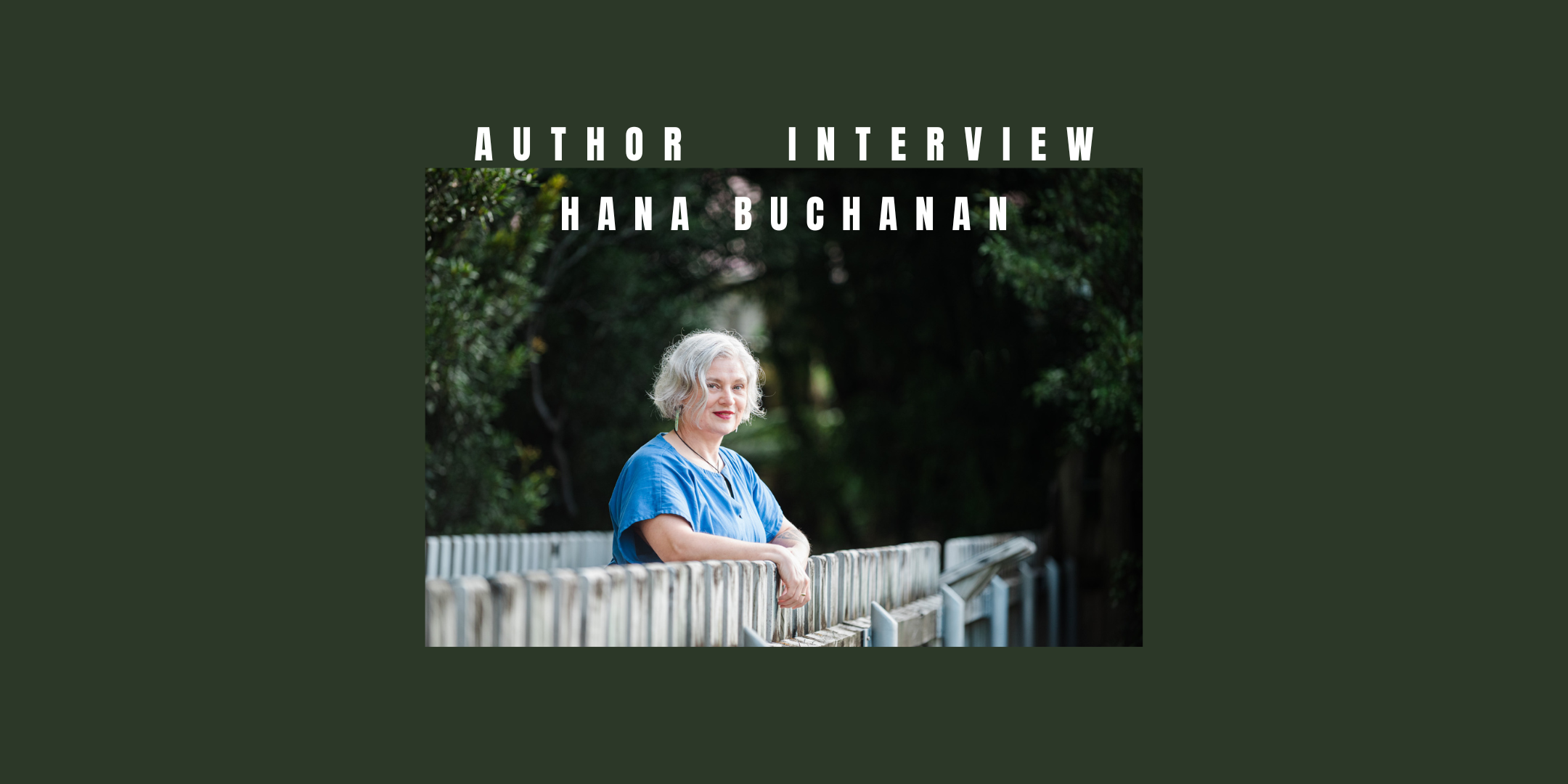
Hana Buchanan, Q&A
Tell us about yourself
He uri tēnei nō te maunga Taranaki, nō Pukeahu anō hoki. I descend from Taranaki maunga and from Pukeahu. My tūpuna migrated from Taranaki to Te Upoko o te Ika and we had multiple kāinga here at the time of settler arrivals. I’m an uri of Te Aro Pā (Ngāti Haumia hapū, Taranaki iwi) and our takiwā is the central city area and right down to what’s now called Island Bay. That’s through my father’s side & Pōneke is our tūrangawaewae. On my mum’s side my ancestors are Pākehā of mostly Irish Catholic stock and early farmer settlers into Southland.I’ve got a lot of siblings and a big extended whānau. I have one precious daughter who is studying in Tāmaki Makaurau, and through her, and my partner, I affiliate to Sāmoa and the Cook Islands.
I’ve always had a love of language and languages.As a younger woman I travelled quite a bit and lived in non-English speaking environments. I’m very interested in language – its rhythms, its depths and the culture and identity markers it carries.Academically, I went deep into this area through a Master of Arts in Linguistics looking at New Zealand English, it’s relationship with reo Māori and language and identity in our country.
I’ve also had a diverse professional career spanning teaching; policy; management; strategy; leadership and governance. I recovered my reo Māori as an adult learner, and that’s marked quite a turning point for me. I’m focusing more time and energy into creative and wellbeing practices now too (writing, karanga, teaching yoga and meditation).
- What was the process of writing Kupu Whenua like for you?
It was mostly a gift and a blessing.I feel so privileged to have made choices that meant I had space and time to transform whaakaaro (thoughts), wheako (experiences), mātauranga (learnings, knowledge systems, understandings), pūkenga (skills, abilitites) into kupu and kōrero – words and stories – using the medium of toikupu | poetry.
Of course, it was also a lot of work, but I am committed to the kaupapa and was supported to keep going.For me, working bilingually with te reo Māori and New Zealand English was a dream come true.As I first time author, I learnt about the many hats you need to wear as you transition from preparation to development to crafting, to refining, checking, refining.I enjoyed a lot of those steps in their own way - you just need to be in the ideal frame of mind and wairua for the different tasks.
- Can you tell us about the decision to have companion poems in Kupu Whenua? One in te reo Māori and then in reo Pākehā/ NZ English?
Simply: I wanted to use and celebrate te reo Māori; to work with all the language tools at my disposal; and, to have my work accessible to a wide group of people.
And in more detail: anyone who knows more than one language well will be familiar with the feeling that some ideas or concepts are just best expressed in one language over another.In the case of Kupu Whenua – the source of the work is this indigenous land, her people and her kōrero. My early written works were only in the language of this land, in te reo Māori, and I am motivated to contribute in a tiny way to making te reo Māori māori again – that is just an ordinary, everyday thing.
Even so, when works were composed originally in te reo Māori, I mostly then created a companion piece in New Zealand English –for accessibility reasons - but it is a really tricky thing to do!I have great respect for professional translators – complex, specialist skills - working across languages but also across knowledge systems, world views, social norms and implicit cultural and literary references. That’s why I say my pieces are ‘companions’ not ‘translations’ – even though some of them may read quite closely.
The majority of the works though are either bilingual weaving between te reo Māori and New Zealand English, or just in New Zealand English (which of course has many, many words of Māori origin).There is one work in Kupu Whenua that doesn’t have any Māori or Māori origin words in it at all – can you spot it!?
- Could you tell everyone about the incredible cover created by yourself and Nick Denton?
The collaboration with Nick Denton – with the cover and the artwork for each of the six wāhanga (sections) of the book was a major part in realising the vision of the pukapuka and preparing it for publication.
The artworks generally are the result of many wānanga, of time on the ground at the relevant sites, and of Nick’s incredible, diverse artistry (a photographer, painter, drawer, designer, architect, mapmaker). Like the toikupu themselves, the artworks form a connected thread that provide different perspectives and responses to the core themes and content of each section of the book.
The cover art is a good example of our overall approach and is a variation of the artwork from the first section: Maunga (Mountain).The cover uses a combination of a base photograph (a boulder from Taranaki maunga), paint that mixes foundation colours of Papatūānuku (green) and Ranginui (blue) to give us the teal-like tones and this is overlaid with a topographic map of part of what is known as Wellington city. It shows us the harbour, the reclaimed lands, the original foreshore lines, and it centres Pukeahu maunga – our Te Aro Pā mountain (also the National War Memorial park, also the site of some Massey University buildings, and the subject of a number of the toikupu in Kupu Whenua).
We did a lot of rangahau (research) to identify the original shape and size of Pukeahu and she is recreated here.There is a thin blue line running at an angle from the foreshore to the edge of the page. That’s Taranaki Street – Taranaki maunga, Taranaki iwi, Taranaki tangata.And finally, “Whero (red)– the colour of my rangatiratanga” (from Sweet Ride, pg. 58 of Kupu Whenua), provides the shading and some of the contours of Pukeahu – bringing a different sort of energy.
There is probably a whole thesis in the whakaaro that fed into each artwork, and how they complement the kupu – perhaps a talk for another day!
- Is there anything you really hope readers take away with them after reading Kupu Whenua?
Toitū te kupu. Toitū te whenua. Tiakina a Papatūānuku. The beauty of our reo, the beauty of our languages, the beauty of our lands.And perhaps too, a shift in perspective, or an interest in gleaning more understanding of the mana whenua of the capital city – especially ngā uri o Te Aro – those of us from Ngāti Haumia & Ngāti Tupaia of Te Aro Pā.There are many of us still here living on our lands – and they might not look like a traditional marae or papakāinga, our awa may flow in pipes, our maunga be populated with houses and buildings, but they are our tūrangawaewae and we are their people.
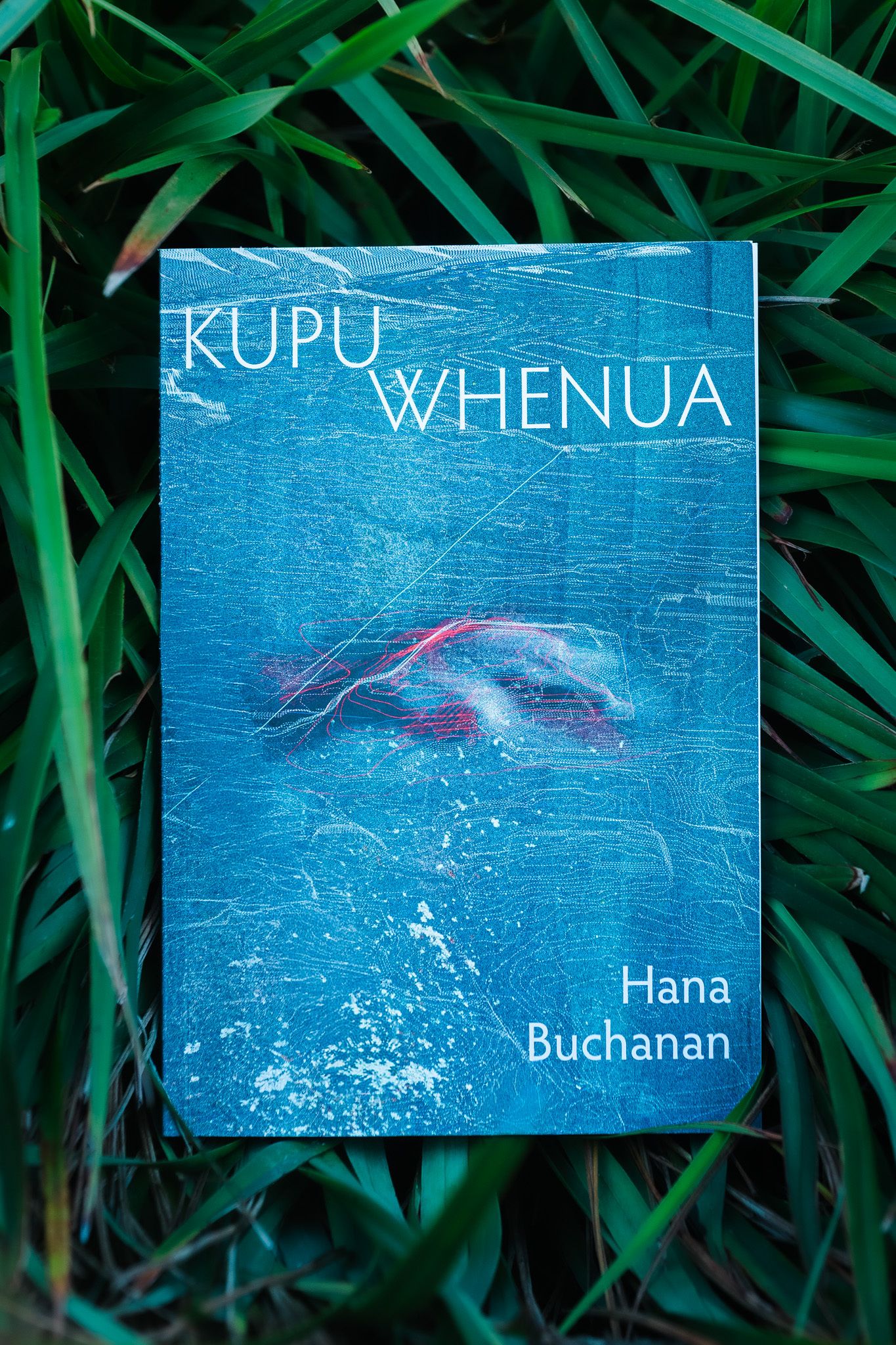
Photo credit: Julia Sabugosa
Other News & Events
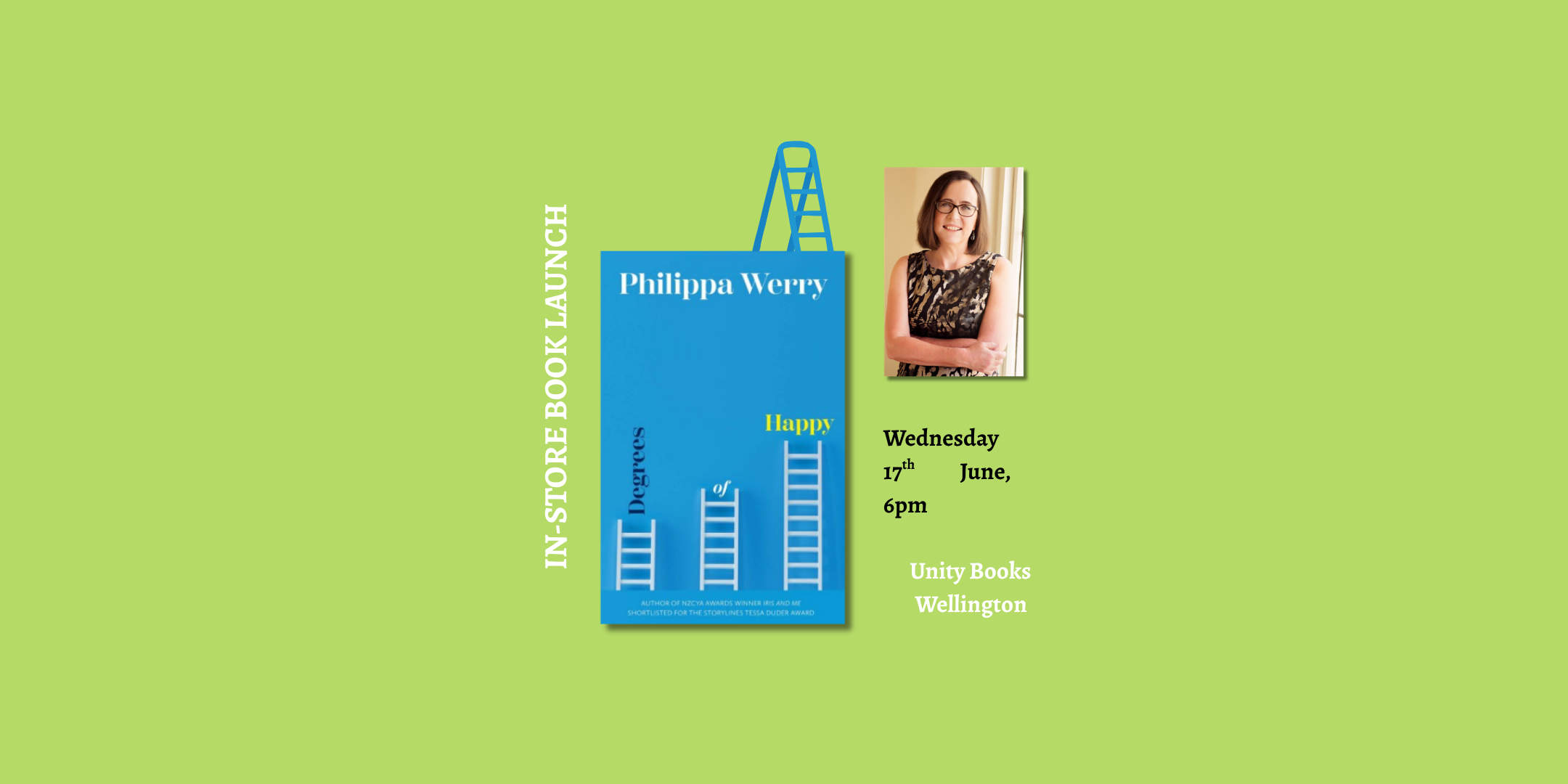
In-store Book Launch: Degrees of Happy by Philippa Werry
17 Jun 2026 - 6pm6pm, Wednesday 17th June, Unity Books Wellington. All welcome!

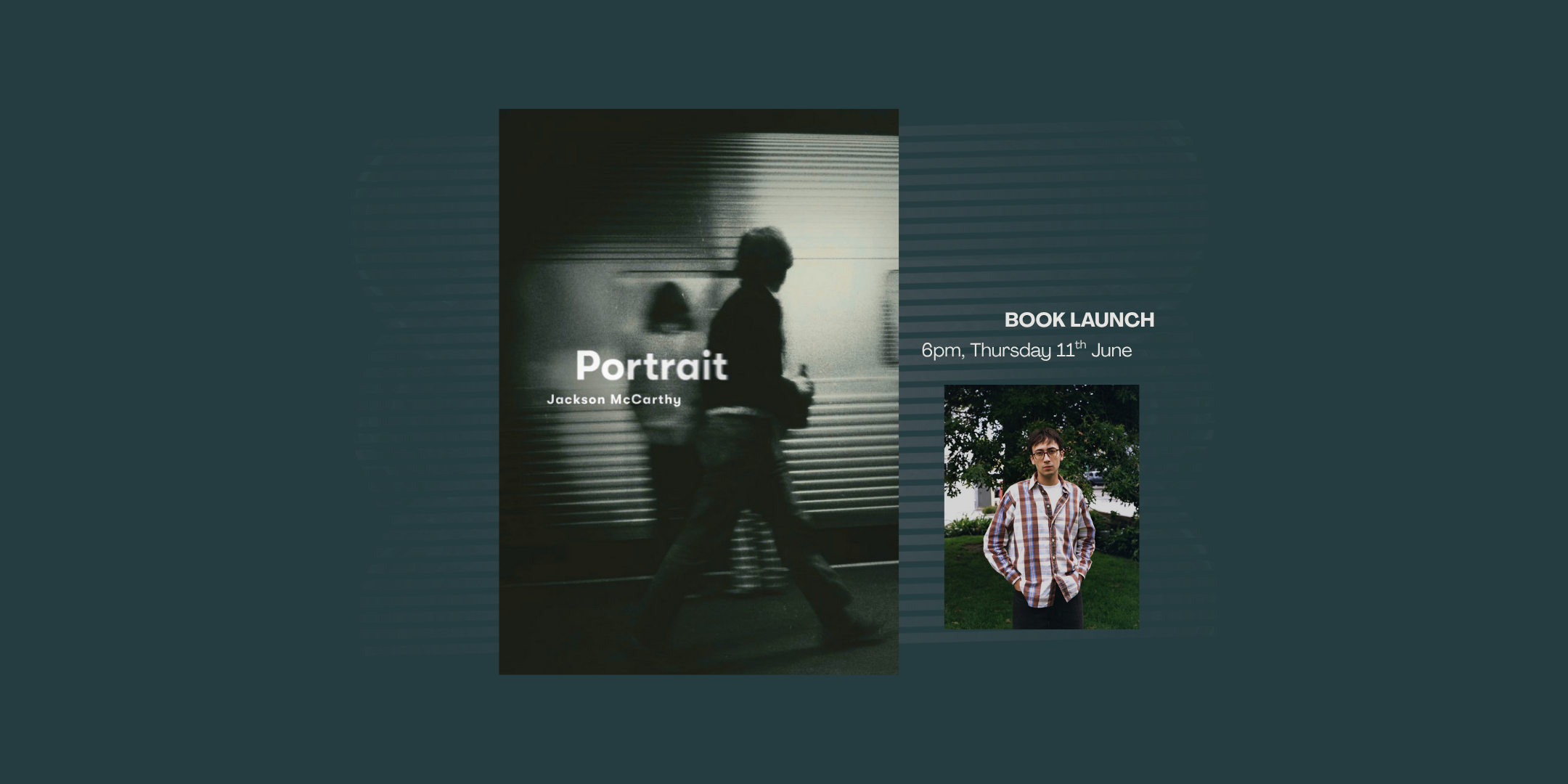
Book Launch: Portrait by Jackson McCarthy
11 Jun 2026 - 6pm6pm, Thursday 11th June. Unity Books Wellington, 57 Willis Street, Te Aro. All welcome!
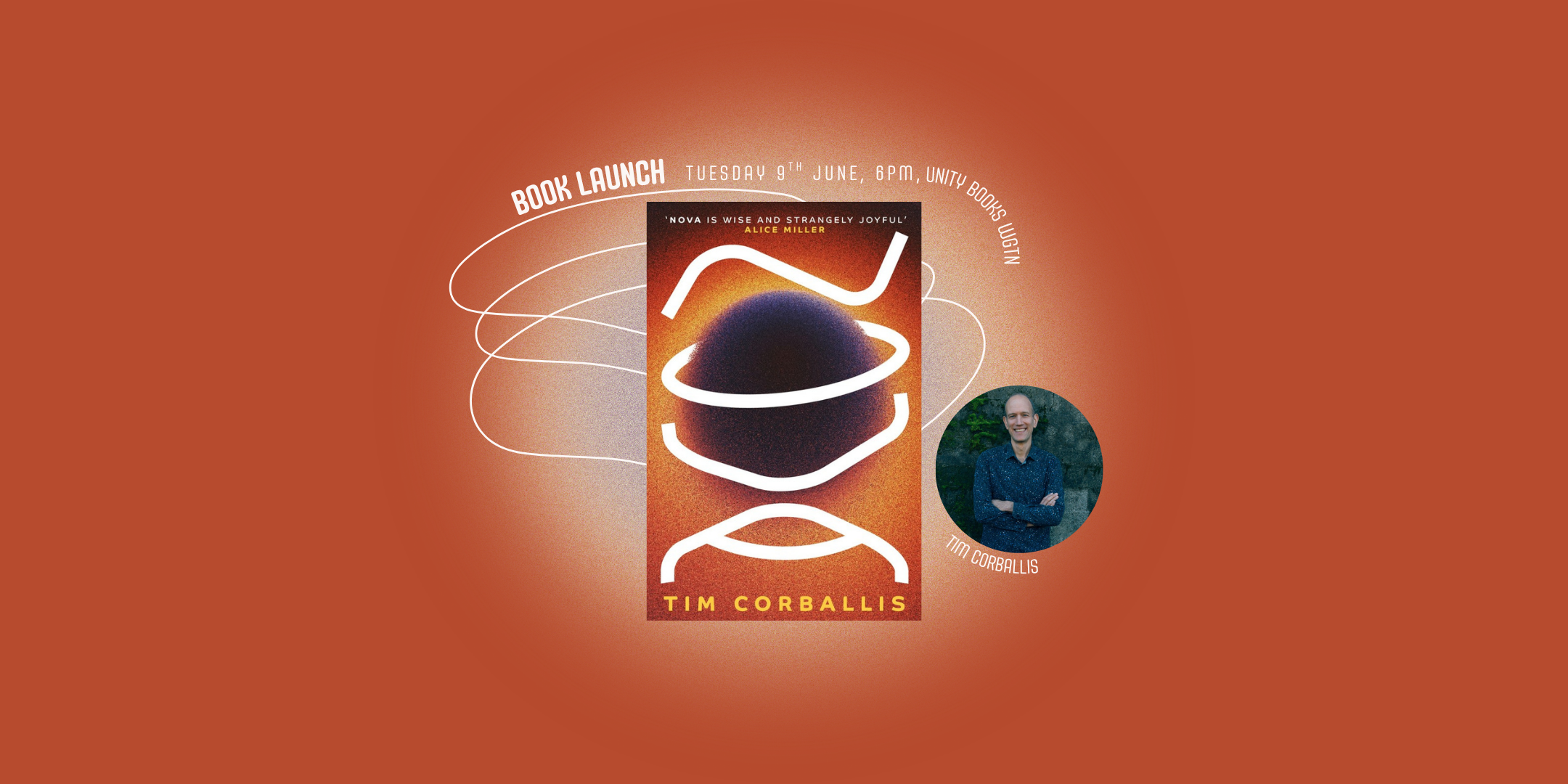
Book Launch: NOVA by Tim Corballis
9 Jun 2026 - 6pmTuesday 9th June, 6pm. Unity Books Wellington, 57 Willis Street, Te Aro.