
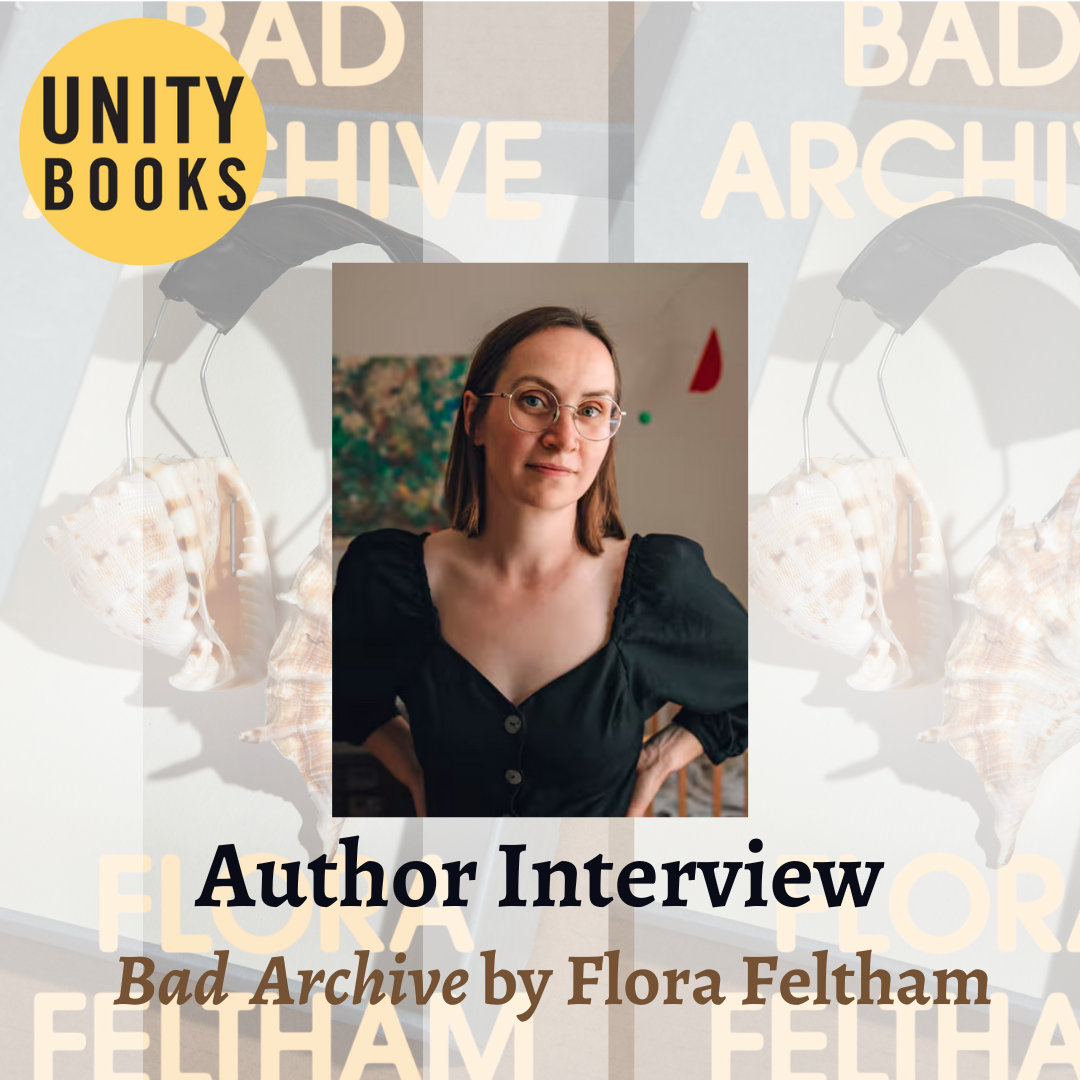
- What does a day in the life of Flora look like?
My days will be familiar to every working parent with a toddler! This morning I read The Nickle Nackle Tree aloud at breakfast, stuffed down some cold toast and ran for the bus. At work I’m in the collection stores a lot, right now now I’m surrounded by antique chisels and the bones of significant fish. My husband, Pat, is lovely and sends me photos of what him and bubba are doing over the day. Sometimes I write on my lunch break (or at the kitchen table if I wake up early before my family). I go to bed really early and then do it all again the next day!!!
- How do you set yourself up for a day of writing?
I owe a huge and beloved debt to Julia Cameron’s The Artist’s Way, so I start a writing day with ‘morning pages’: half an hour of free writing to get all the white noise and day-to-day concerns out of my head. I love this practice because it clears a path for the associative and free-range thinking that makes creative writing fun.
- In Bad Archive, you explore the “corners where [your] memories are stashed” - what was the catalyst for delving into those corners and then writing about it?
I’ve learned that a productive place for me to start writing is with memories, images or ideas that confuse or preoccupy me and I don’t quite know why. The essays about my family and relationship unfurled from memories I’d been consistently turning over for a few years, or from these very old experiences I still thought about a fair bit, without fully understanding. I wanted to write about all this because I often don’t know what I think about something until I’ve written it down.
- Amongst many, many things, the wonder of reading Bad Archive is that, like weaving, it’s a meditation. It will be a first for many to read about and unpack the minutiae of worm farming and habits of gulls at a landfill. How did the topics for your essays come about?
Similar to the previous answer, I think I’m also drawn to subjects that seem internally contradictory. Like, with Julian of Norwich I couldn’t stop thinking about how she spent her life entombed in a church but also wrote this incredible theological work and is the first woman author we can name in English. The contrast of her being literally trapped but intellectually free blew my mind. And with archiving, I can never get over how orderly and rule-bound the profession is, despite how messy the lives under our care are. It’s the same with the seagulls and the tip, too. In Aotearoa we are so proud of our native manu, but here was a bird we all distain. I’ve also spent a lot of time at the landfill secondhand shop with my family, so for me the tip is this bountiful, cool and busy place. But we’re also supposed to be ashamed of it and not look at it – and probably for good reason because landfill is horrific. And trying to reconcile all that seemed interesting to me. Plus, I could never stop thinking about my friend Tom’s story ‘Meat Day’.
- What was the most intense / cathartic moment when writing Bad Archive?
The most intense moments came when writing about my sister, Charlotte. It took a long time for that essay to take shape, possibly because our relationship doesn’t have a clear or obvious shape and I didn’t know how I could possibly do her justice. It also made me incredibly sad to look so directly at my family’s grief. The most cathartic moment was when I finally got to the end of writing and re-writing The Raw Material (it took at least five solid attempts) and had really left everything on the page.
- Were there any comforting / surprising / pleasant memories that you uncovered while writing Bad Archive?
Oh man! Too many to write down! I hope that, despite the book covering some tricky stuff, it’s ultimately optimistic, especially about intimacy and love. Every time I delved into something difficult, I was also struck by how resilient and wise the people around me are. So many of the memories that arose from working on Proust Yourself, for example,related to the kindness of my mum’s friends. I’d also forgotten so many things about my childhood and it was crazy when tiny, strange things appeared one after the other, like how I’d thought Benjamin Disraeli was my grandfather and how cool I felt in my old Canberra Raiders tracksuit.
- What’s the thinking behind the order of the essays?
Part of it was practical – I thought about what literal information the reader needed so that each subsequent essay’s narrative or preoccupations were clear. But I also tried to balance it with making the reading experience pleasant. I opened with On Archiving because it dabbles most clearly in the bigger questions and themes the book addresses. I also wanted to properly introduce the reader to me, my family, and my marriage before delving into some of the super personal material, which is why A Portrait of my Mother and Gather Your Strength come next. My Mother’s Daughters and The Raw Material are, I think, the emotional anchor of the book, so they needed to be together at the centre. After that I thought people might need a wee break from my life which is why you get Wyrm Farm, Tapestry Lessons and Bogans of the Sky before coming back to my family and relationship again in Meccanoman and The HEA. The HEA was also the last essay I wrote, and I knew it would form the end the book as soon as it was written. Ordering is kind of magic though, cos someone pointed out to me the other day that the book starts and ends with love stories – which I had not even clocked.
- You’ve written about life honestly and it captures the human condition like nothing I’ve read before. People are flawed and redeemable, they make mistakes and show kindness. How do we write about life honestly? What are the risks and what are the inevitable must-dos?
Eek, can we ever write about life truly honestly? I think my vibe is: no…but you have to try anyway? And I would call that act of trying “showing your working”. Bad Archive is so singularly my perspective that all I could do was show, in any essay, how I reached certain conclusions and then also show when I was mistaken, petty or misread a situation. I’m probably wrong heaps more than I know, too. It also felt important to include an author’s note that describes what the ‘creative’ part of creative nonfiction means to me. I wanted readers to know the nature of the contract they were signing. The most important must-do, though, is to show the people who stumble into your essays exactly what you’ve written before it’s published and to allow them to challenge you or to request changes. You offer up your perspective for scrutiny.
- What’s next for Flora Feltham?
It feels wild to admit this but I hope some…fiction writing is next?? Mainly though, while I’m working a day job and focusing on my family, the goal is to just keep my writing practice going, in any shape possible.
Other News & Events
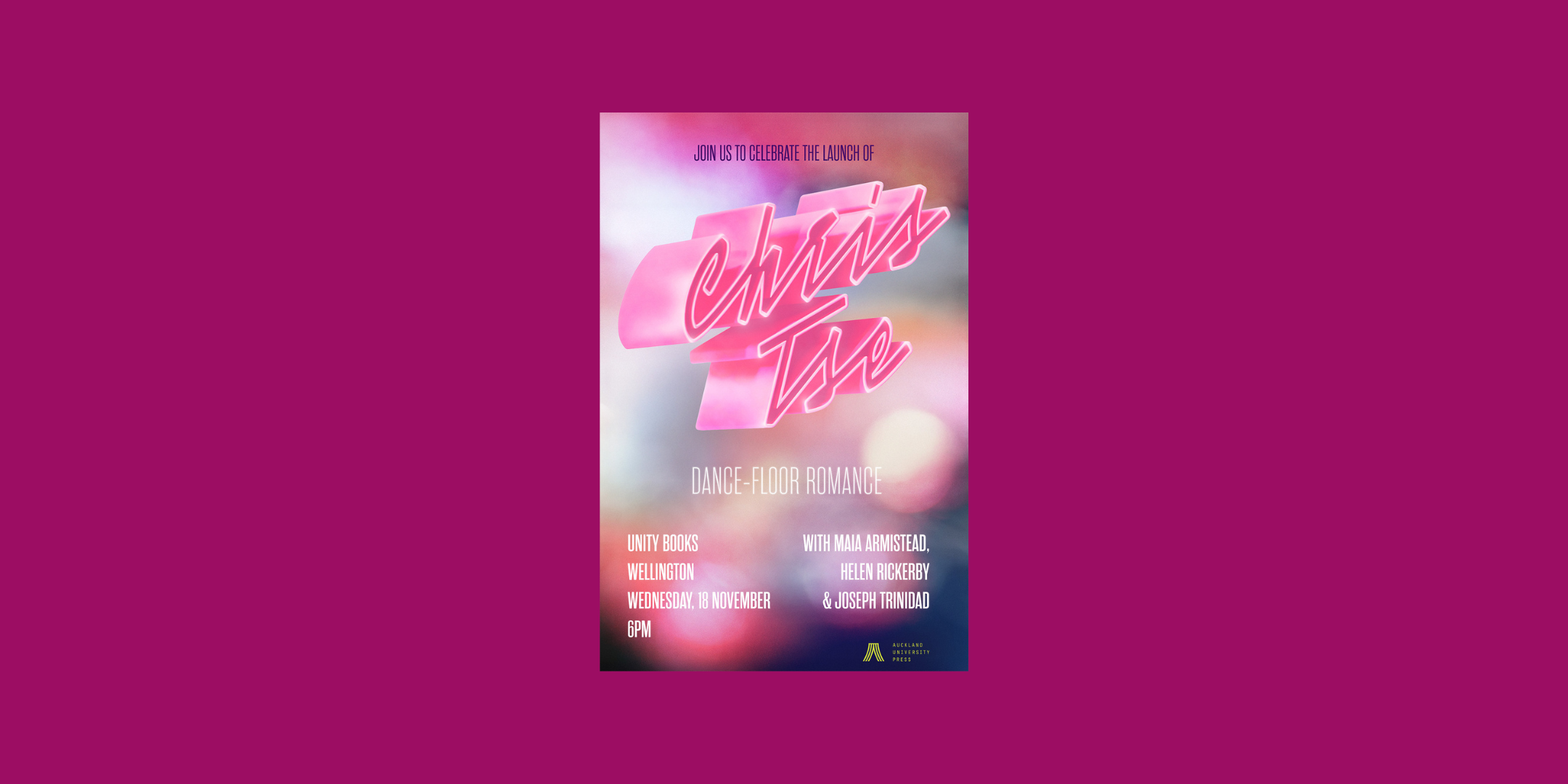
Book Celebration: Dance-Floor Romance by Chris Tse
18 Nov 2026 - 6PMIn-store 6pm, Wednesday 18th November, Unity Books Wellington, 57 Willis St. All Welcome

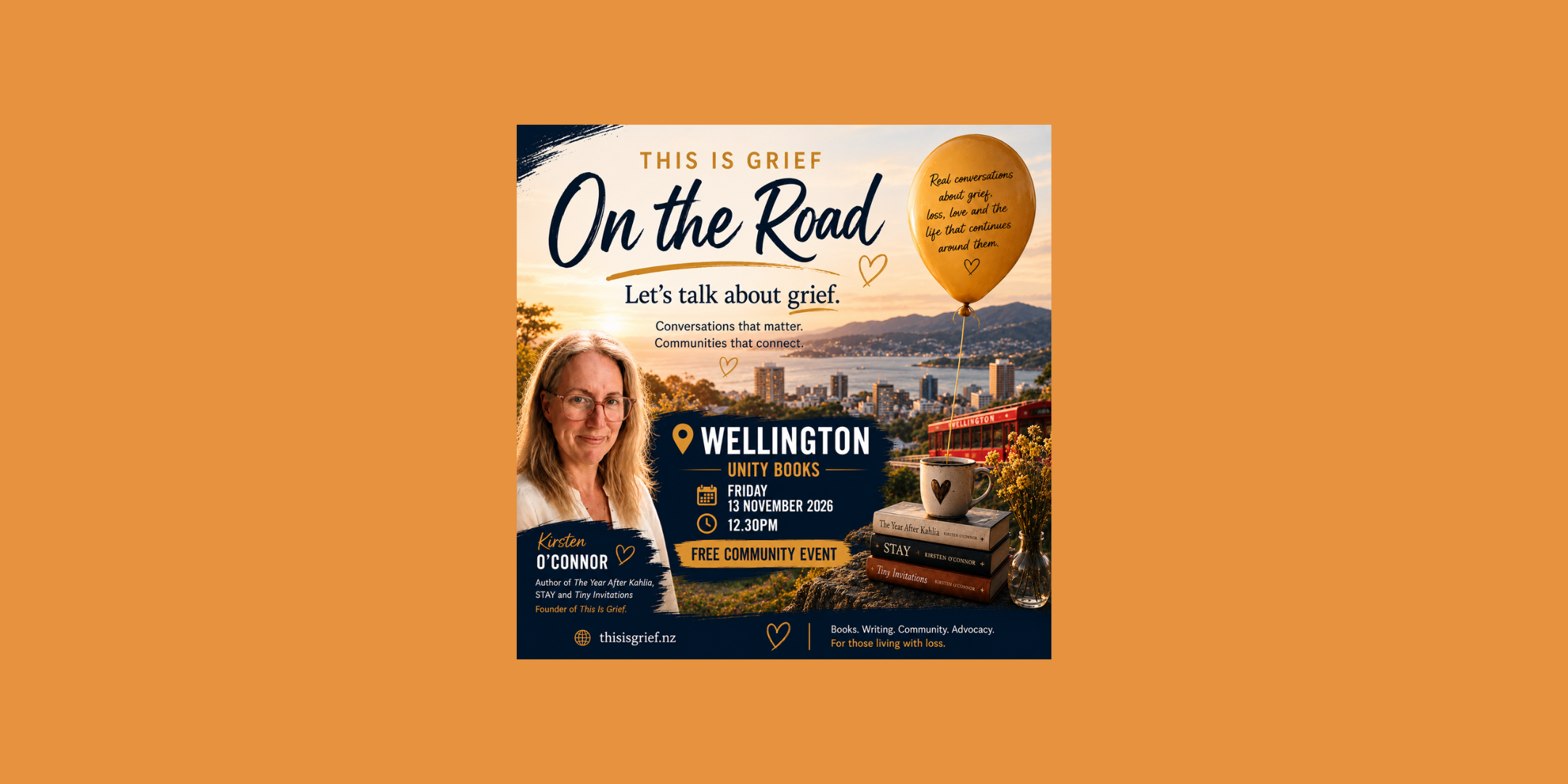
AUTHOR TALK: This is Grief by Kirsten O'Connor
13 Nov 2026712.30PM, Friday November 13th, 2026 Unity Books Wellington, 57 Willis St. All welcome, take a seat!
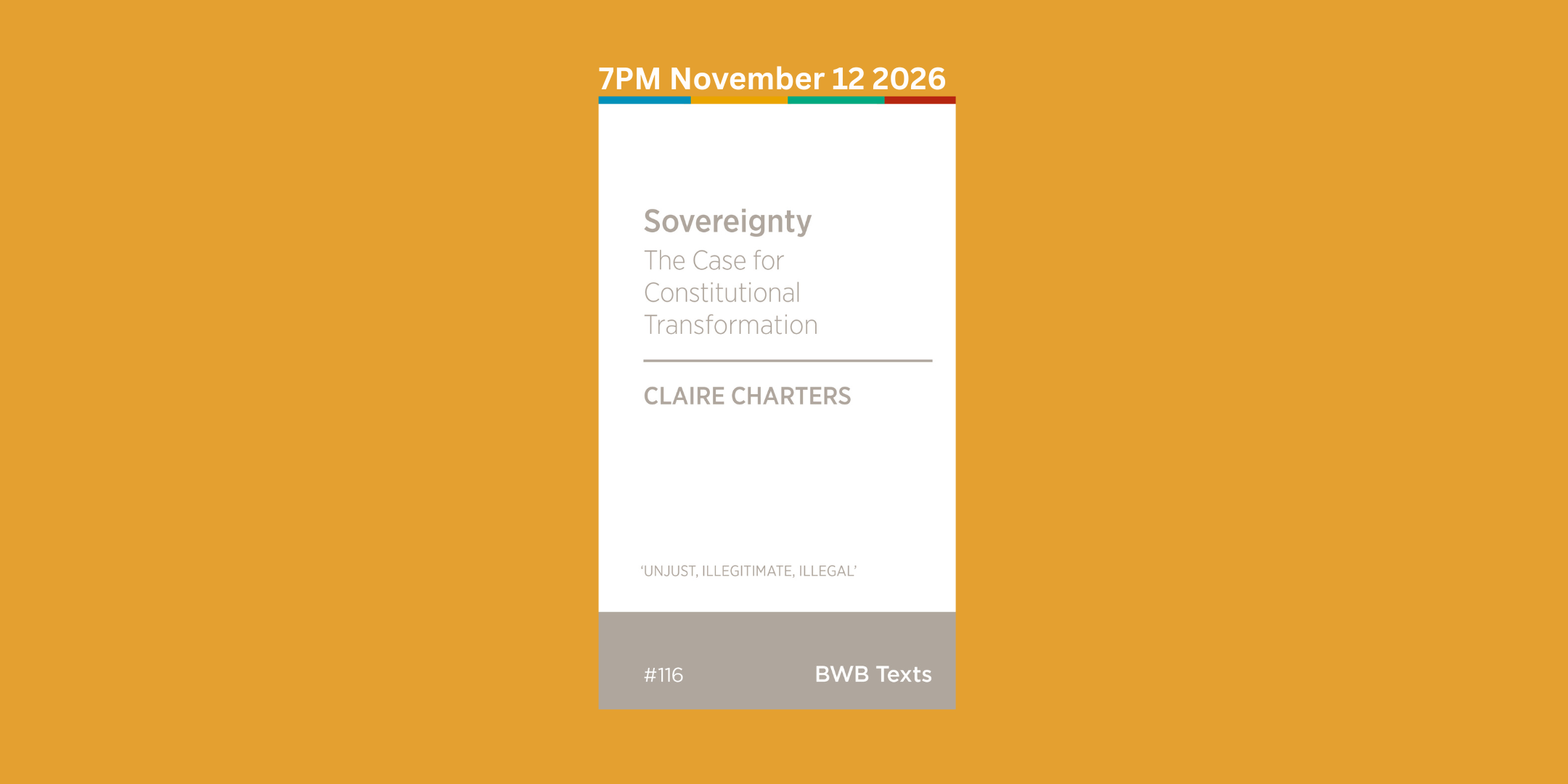
AUTHOR TALK: Sovereignty by Claire Charters
12 Nov 20267pm, Thursday November 12th, 2026 Unity Books Wellington, 57 Willis St. All welcome, take a seat!