

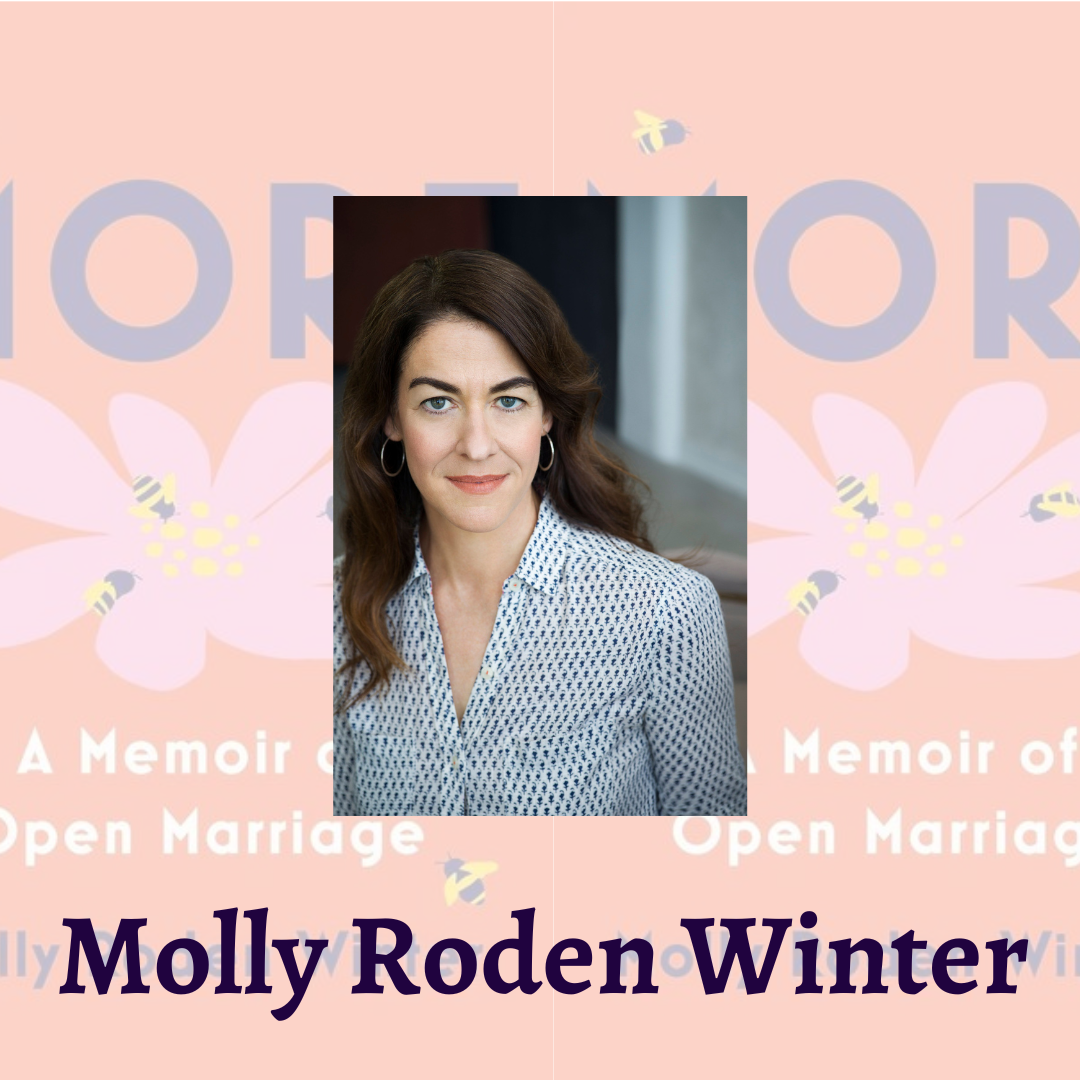
What does a day in the life of Molly Roden Winter look like?
I’m grateful to report that my days* are never the same, although they may appear that way to an outside observer. If you were to follow me around with a hidden camera, you’d see me spending a lot of time either meditating or talking to other “regulars” at my favorite café in Brooklyn. This looks routine, but it doesn’t feel that way. Meditation and conversation can both get pretty exciting.
(*A night in the life of Molly Roden Winter is another story…. wink wink….)
How do you set yourself up for a day of writing?
I’m not being cheeky when I say, See my previous answer: meditation and conversation.To write about my own life, I need solo time for reflection as well as time spent with other humans figuring stuff out. (Coffee and wine help, too. Luckily, the café serves both!)
Your memoir centres on your open marriage and the anxieties, insecurities, desires, and fantasies that were laid bare within it. When did you decide this was a story you wanted to tell, and why do you think it’s relevant now?
I decided to write the book in the spring of 2019. At the time, I was starting to see more discussion of open marriage entering mainstream media. But everything I saw seemed to fall into one of two categories. There were those saying that open marriage was impossible, or others writing about how they were “born polyamorous” and it was all so easy for them. I knew from my own experience that having an open marriage was indeed possible—and eventually amazing--but it was a very challenging journey. I didn’t see anyone else writingthat story.
In terms of relevance, I think people across the globe are re-thinking many of the conventional, default settings we’ve inherited from previous generations. People—maybe women in particular—are hungry for stories by those who are charting new pathways
There was a lot of emphasis placed on communication and how integral it is to an open marriage. What were the greatest moments of both communication and miscommunication between your husband and yourself that you share in More?
I think the first step to good communication is knowing yourself. My communication with my husband steadily improved as my understanding of myself grew, and I gained confidence in knowing what I actually wanted. Miscommunication, on the other hand, grows out of saying one thing and meaning another. So for example, when I told my husband, “Sure! Go ahead and sleep with your ex-girlfriend! I’ll be fine,” I was speaking from a place of total denial. That’s a recipe for disaster.
What part(s) in More were you most concerned about putting in and why? And what if any were your husband’s?
There were a few parts—details about former partners—that were included in early drafts of More which I ended up omitting because they didn’t feel like they were mine to tell. But everything that made it into the final draft felt essential to telling my story. Once I reached that level of confidence, most of my concerns went away.
My husband was my biggest cheerleader from the beginning of the process. After I wrote my first draft—which wasn’tvery good—he was the one who urged me to go deeper, to be more honest, to not play it safe.
Without putting words in your mouth (or rather on the screen) is this book in someway a show of female empowerment and how it is important for women, mothers, wives, to have their desires and needs met too?
Yes! (You can absolutely put words in my mouth when they’re true. J)
You mention the impact that having an open marriage has on your children. It feels like there’s a lot of responsibility placed upon you as the mother not to fuck them up. Do you feel like you’re in a battle with double standards now the media are chiming in on More?
I’m sure there are those who would like to spar with me, but I don’t feel like I’m in a battle at all. My children are now 22 and 19 and they’re thriving. We have a great relationship. So whatever choices I’ve made, they clearly haven’timpacted my kids too adversely. On the contrary, I believe that being my most authentic self has made me a better mother. And my kids are very supportive of the book—but they’re too involved in their own lives to spend much time worrying about what their mother is up to.
You capture the tribulations and excitement of an open marriage expertly. Can you detail for those who haven’t read More yet (but are bound to after this interview) the biggest challenges with being in an open marriage and the greatest benefits?
The biggest challenge was having to face my greatest fears and insecurities head-on: Will my husband still love me if he falls in love with someone else? Will I be able to withstand the heartbreak of loving another—and then losing their love?Will I blow up my life? Am I enough?
The greatest benefit is that now I have so much more love in my life. The love I have with my husband is stronger than ever. And I have other partners that I also love. Most importantly, in order to get to this place, I had to learn to love myself. It sounds corny, but it’s true.
What experiences did you find the most challenging to write about?
There were things I did during the early years of our open marriage that brought me a lot of shame. It was hard to think about those times, let alone write about them. And in order to write honestly, I had to revisit the pain I felt in many scenes. I often had to lie down and cry when I was working on those sections of the book.
On your book being divisive, you are quoted in The Guardian saying:
“The idea it’s an American heterosexual woman, with children, talking so openly? A heteronormative couple breaking the rules and being honest about it?… It shows that people like me could be anywhere. I have a husband, house and kids. I dress, act and live like a Park Slope mom. It throws people off kilter to imagine they, too, could live like me. That I have children, who aren’tfucked up and I’m not being manipulated or miserable.”
In sharing your experience of polyamory you’re starting a broader conversation around women’s sexuality and their role within a marriage. I very much enjoy the stir it's causing amongst the conservatives because it’s their values keeping women in a rigid place, especially in America right now. How do you feel about the right-wing outpouring of criticism? What do you want to say to them?
As I think you’re pointing out, the criticism that More is garnering says a lot more about the critics—and our culture—than it does about me. All I’ve done is write my story. I haven’t written an open marriage manifesto or a how-to manual. I’m not telling anybody what to do. So the fact that it’s causing such a kerfuffle means people are feeling some fear.
I believe that all reactions can be boiled down to one of two emotions: love, or fear. I can’t control anyone else’s fear, but I can do my best to respond with love. My greatest hope is that More serves as an invitation for women everywhere to live a life inspired by love—to love themselves enough to live life however they want to—and not to be caged in fear.
Other News & Events
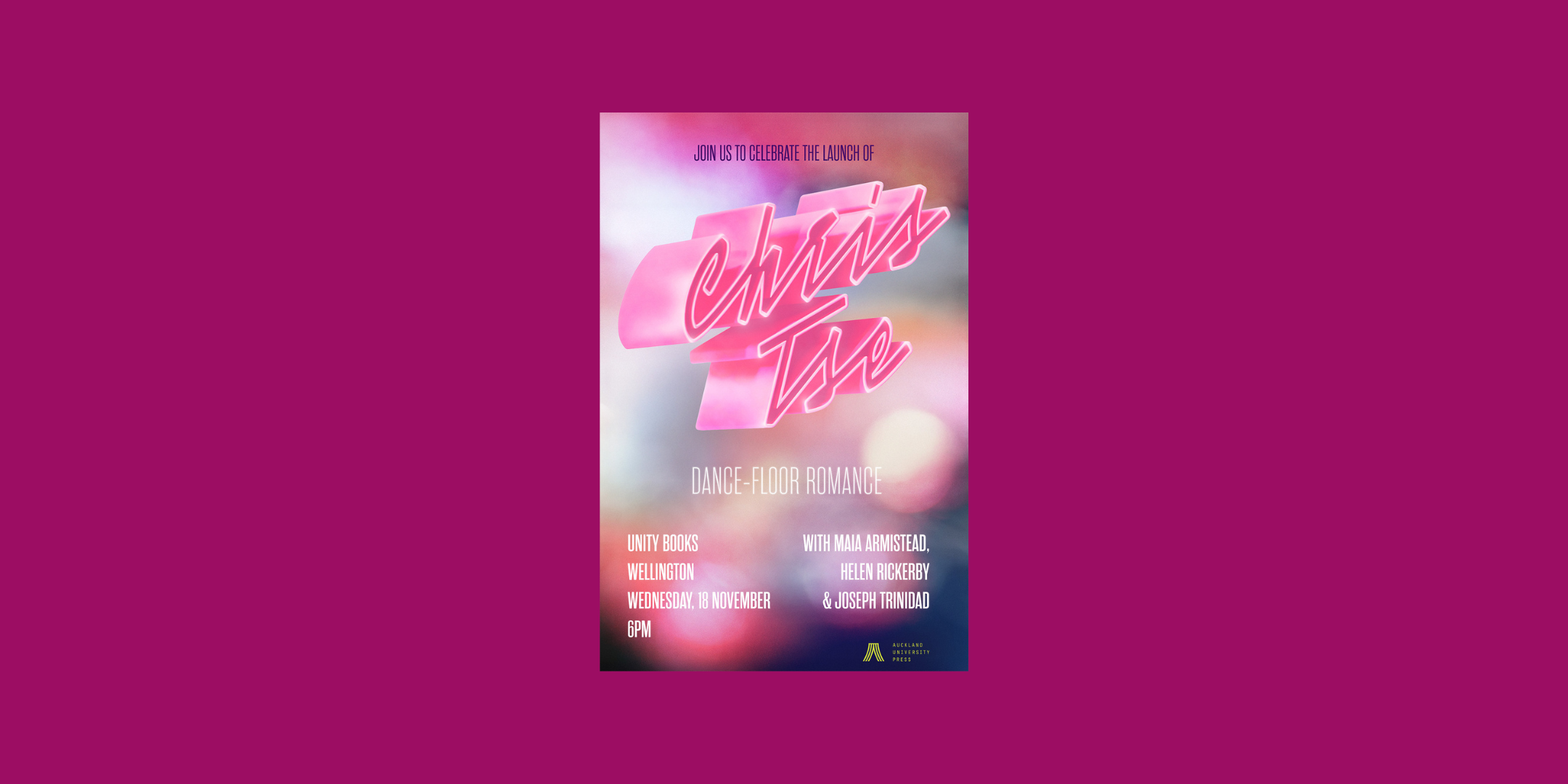
Book Celebration: Dance-Floor Romance by Chris Tse
18 Nov 2026 - 6PMIn-store 6pm, Wednesday 18th November, Unity Books Wellington, 57 Willis St. All Welcome

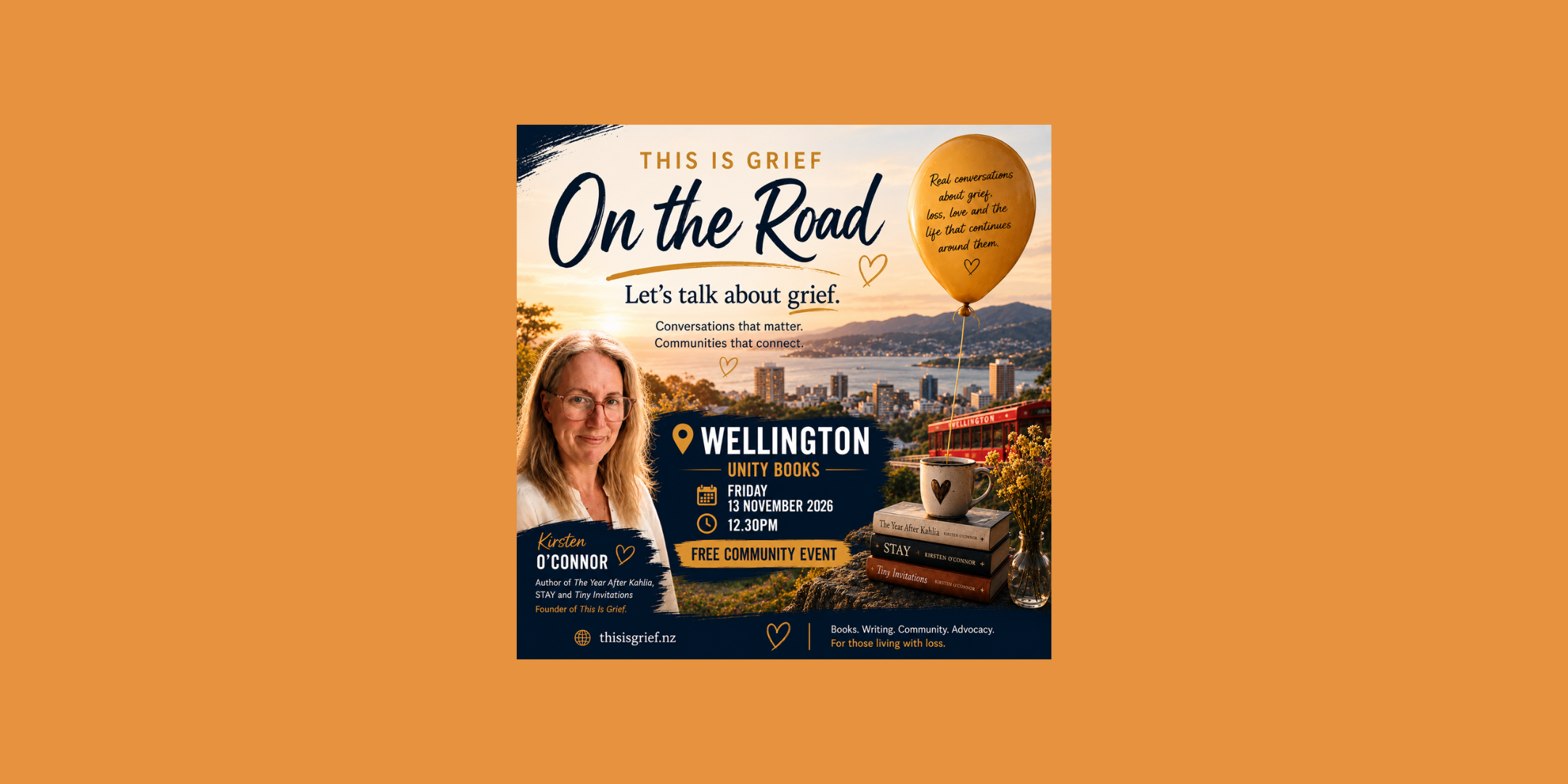
AUTHOR TALK: This is Grief by Kirsten O'Connor
13 Nov 2026712.30PM, Friday November 13th, 2026 Unity Books Wellington, 57 Willis St. All welcome, take a seat!
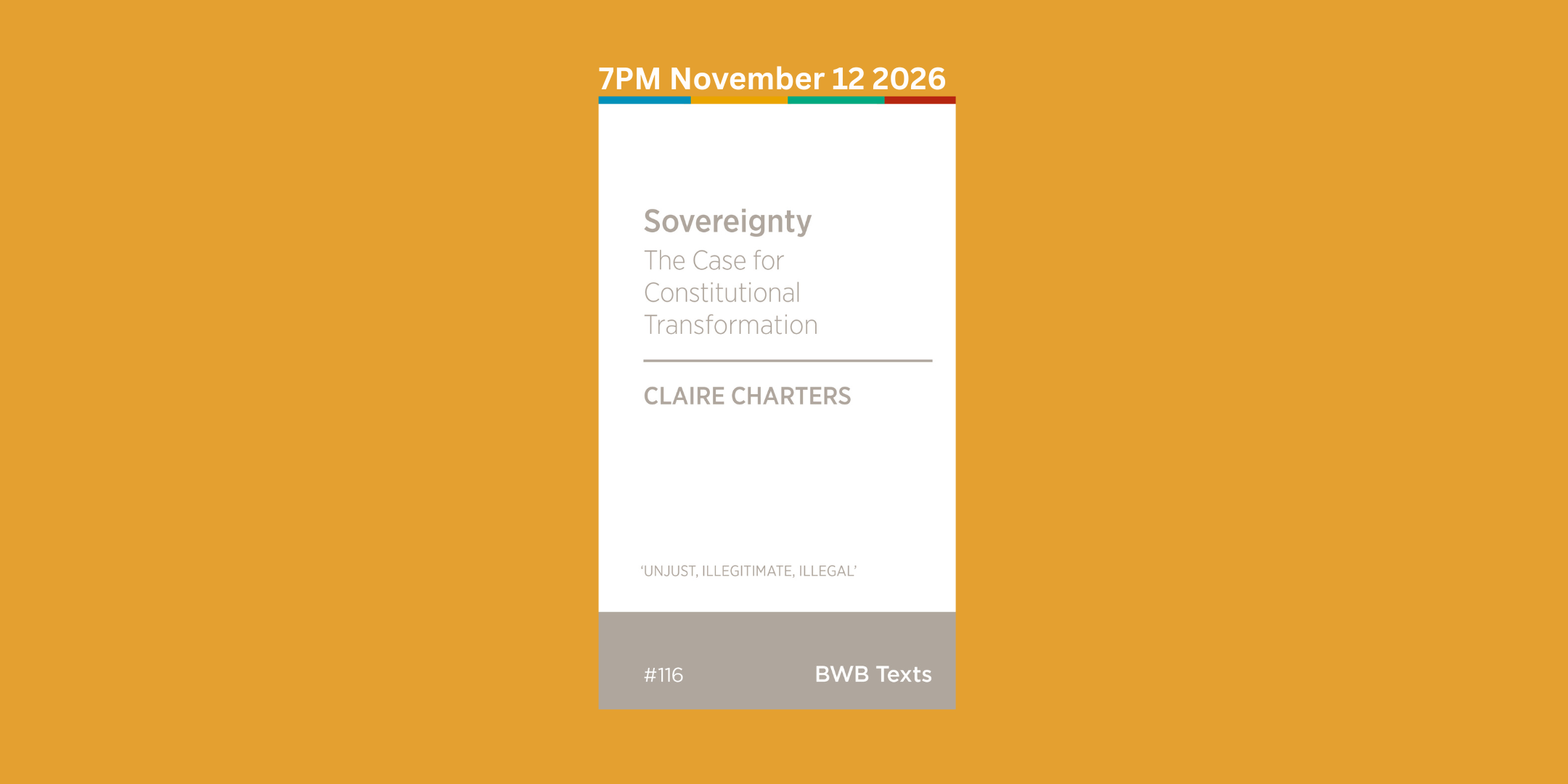
AUTHOR TALK: Sovereignty by Claire Charters
12 Nov 20267pm, Thursday November 12th, 2026 Unity Books Wellington, 57 Willis St. All welcome, take a seat!