
Catherine Prasifka in conversation with Lisa Jean O'Reilly from Unity Auckland
 25 Aug 2024
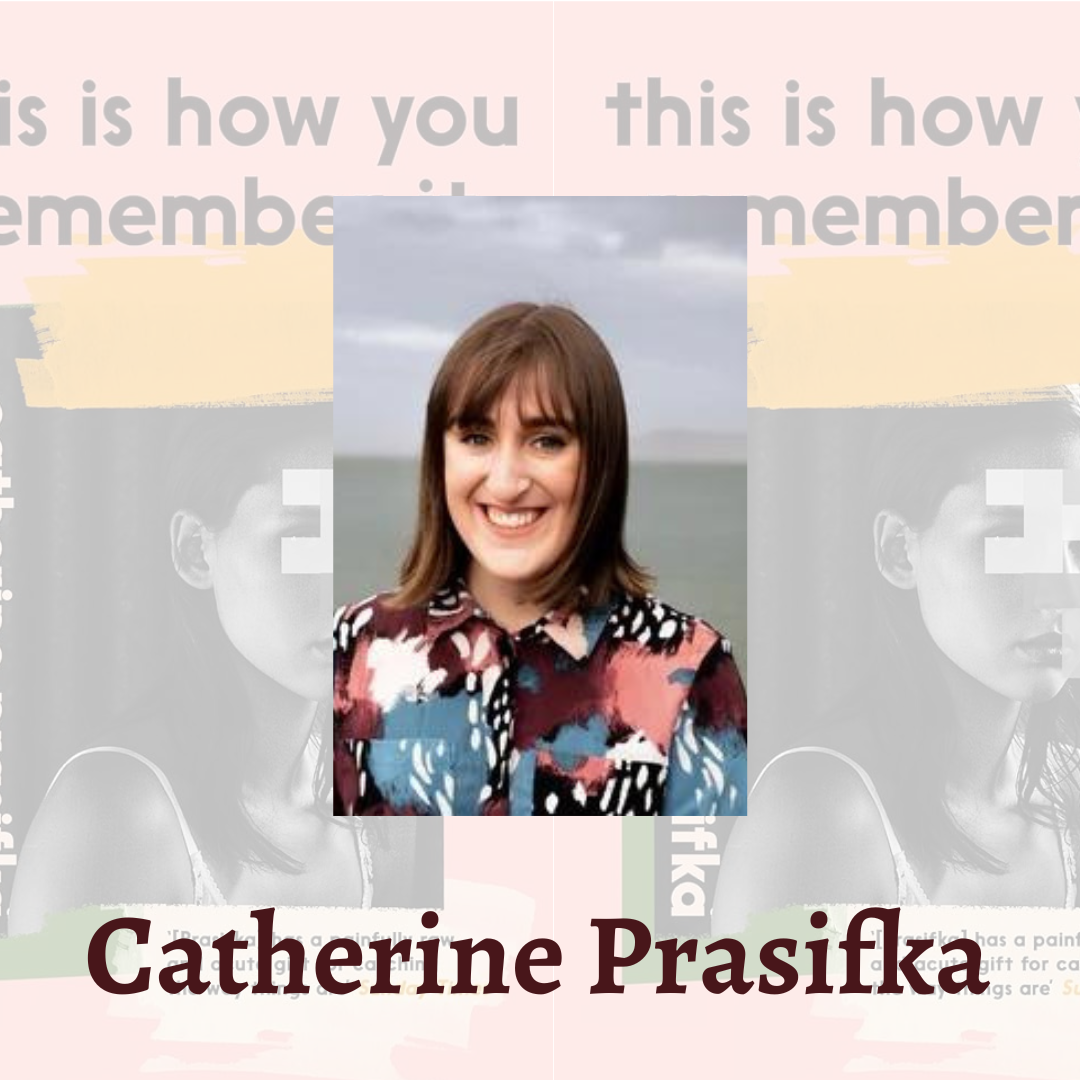
1. What does a day in the life of Catherine Prasifka look like?
It really depends. If I am trying to put shape on a manuscript I spend a significant amount of time tricking myself into having an idea (doing crosswords, jigsaw puzzles, reading, anything that distracts me and lets my mind wander) and then hopefully putting those ideas on the page. I aim for 100 words a day, and I try not to set too many parameters on when and how I work. Often, I'll put it off until the pressure/shame gets too much and I start writing at 10PM. If I am editing, my days become a bit of a blur. I'll work all day every day until I see a way out of whatever problem I'm untangling. When I finish a book I take some time off to read and hopefully refill the creative well.
2. What does your writing setup look like; do you have any practices, rituals, or habits that set you up for a writing session?
I am not precious about my workspace. Generally I'll work from my couch, bed, or wherever the mood strikes. I am not the type of person who can set aside a few hours a day to write, or who can shut off after I've met my goals, so I don't have a structured routine in that sense. Consistency is key, however, and I try to write everyday when I have a project. I always find that getting started is the hardest part, but once I'm in a flow with a manuscript it slowly slots into place.
3. When did you first realise that you wanted to be a writer?
I am not sure it came as a realisation, but rather an awareness of how I felt most comfortable expressing myself. I have always found clarity from writing down my thoughts, and I feel I write novels as a means of communication. If no one read my books, I would probably still be a 'writer' in whatever sense matters.
4. How did you develop your writing voice, and who are your idols?
A process of trial and error. I like to experiment with different writing styles, both as a way to keep myself interested and also because I think the form a story takes influences what you take away from it. I write about the internet and the internet is new and ever-changing, so I think my style has to replicate that to some degree. I do my best to maintain a degree of emotional honesty regardless of how I write, and I think I owe that to the influence of Taylor Swift and Annie Ernaux.
5. For our writing community; can you tell us a bit about your writing process? Do you plot and plan or write your way into a story? How important is editing in your opinion?
My novels always start from a central theme or idea I am trying to capture, and they spiral out from there. For my first novel, None of This Is Serious, I wanted to explore anxiety. Once I had decided on that theme, the characters, mood, style, and plot fell into place. I tend to have a general idea of the story I want to tell and the major stops along the way, but also I allow for those stops to change as the story develops.
6. This is how you remember it sends the reader into a dream-like state as it meditates on the very relatable childhood journey of ‘you’. Was this a difficult book to write, and do you remember when the story first came to you?
Both yes and no, to both of those questions. At times it was painful to write, but at the same time it felt essential, and at some point the book started flowing out of me. The story is one I have been wanting to tell for a long time, but also one that has evolved substantially since I first thought of it. If I were to start writing again now from scratch I might write an entirely different novel.
7. How long did it take you to write both of your novels and was one more difficult than the other?
From the very first word of the very first draft to publication day, around three years for both. From the beginning of what would be the final draft to getting it into a shape that I felt comfortable sharing, about a solid year of work. Both novels required a few tries to get right, and both went through different voices before I found the one that fit. I don't think either was more difficult, but the act of writing them felt very different. I like to joke that being a novelist is perhaps the only job that you forget how to do as soon as you finish.
8. The owner of Unity Books, Jo, views bookselling as a very unique and important matchmaking process - a bit like Tinder! Who are your ideal readers or perfect matches for None of This is Serious and this is how you remember it respectively, and did you consider that ‘person’ for each while writing it?
I am always thinking about the reader. I wonder how I can reach through the page and converse with them, and if they will understand what I am writing. Ultimately, I know they will have a relationship to my work that I cannot control, that my books will meet them where they are, as a fully formed person with their own thoughts and lives and experiences. It's my job to try and navigate that, to make sure that my work is both clear in meaning and open to interpretation. However, I don't have a specific demographic in mind. I write for those online and offline, those who have had similar experiences to the characters and those who just want to understand. I think I might be terrible at identifying those people, so I am definitely glad that booksellers exist to find them for me!!
9. If you could have a conversation with your younger self, what advice would you give to her on both writing & life?
I think about this a lot, and ultimately I would tell her to just keep doing what she is doing. Sure, there are moments in my life where I look back and cringe, or wonder what would have happened if I had made a different decision. Hindsight is 20-20, but I do believe that ultimately we are all doing the best we can with the information that is available to us. And maybe emotion can cloud judgement, and maybe we can be immature, but that's all part of the growth process, and every bad decision I have ever made has led me to exactly where I am now. Unfortunately, we cannot bypass emotional growth, we have to do it the hard way. And that's probably what helps with the writing too.
10. Have you been to New Zealand? If so, can you tell me a bit about your trip, and if not, would you like to come sometime?
I would love to visit!! It's a bucket-list destination for me, whenever time and money allows. I am a big Lord of the Rings fan, and when I was studying abroad my friend from New Zealand was the only other person who knew C'est La Vie by B*Witched. (Hi Holly!)
11. Finally, what is next for you, Catherine?
I wish I could say for certain, but I have kind of abandoned certainty for now. Through it all though, whatever it is, I will definitely be writing.
Other News & Events
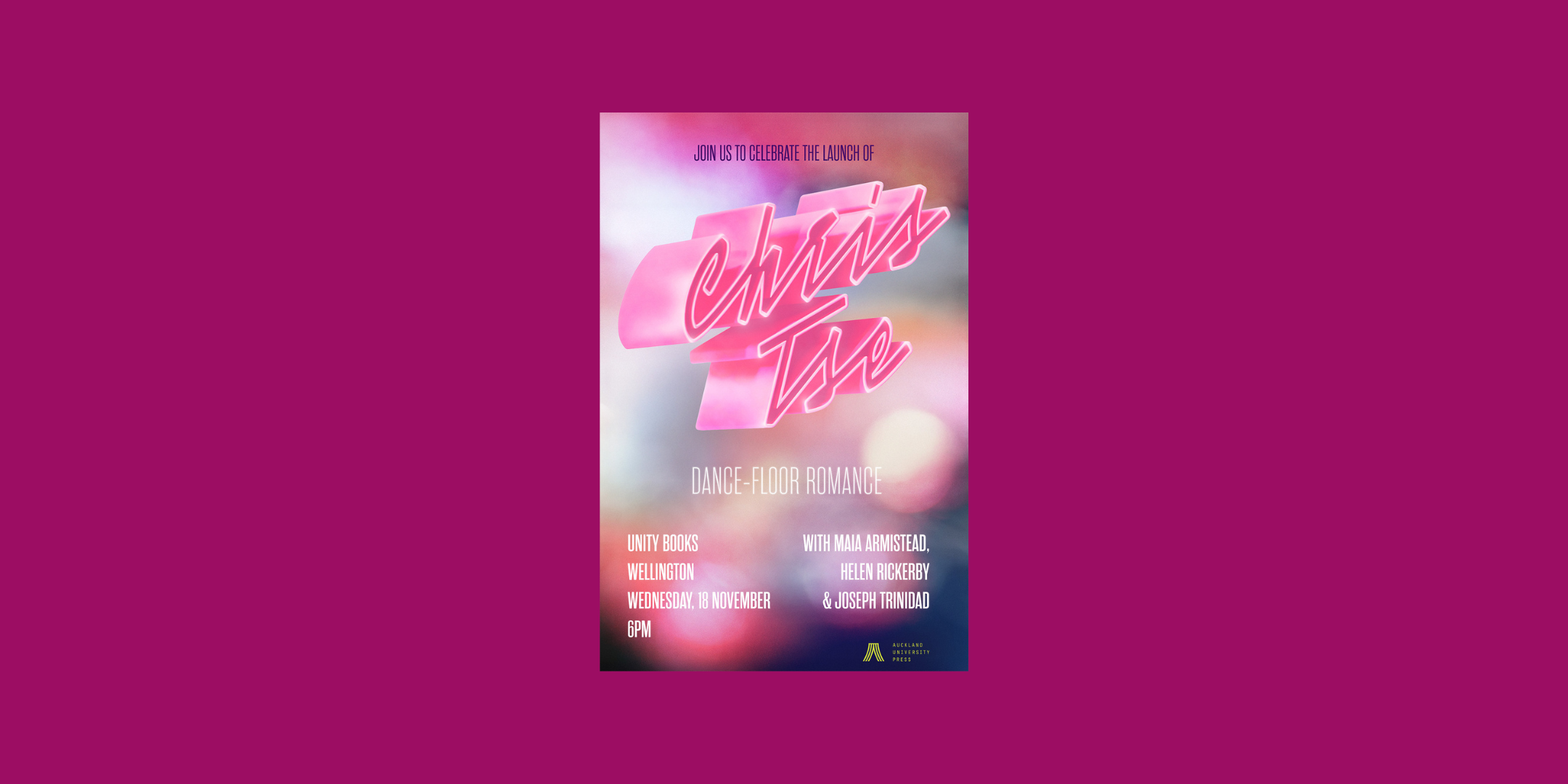
Book Celebration: Dance-Floor Romance by Chris Tse
18 Nov 2026 - 6PMIn-store 6pm, Wednesday 18th November, Unity Books Wellington, 57 Willis St. All Welcome

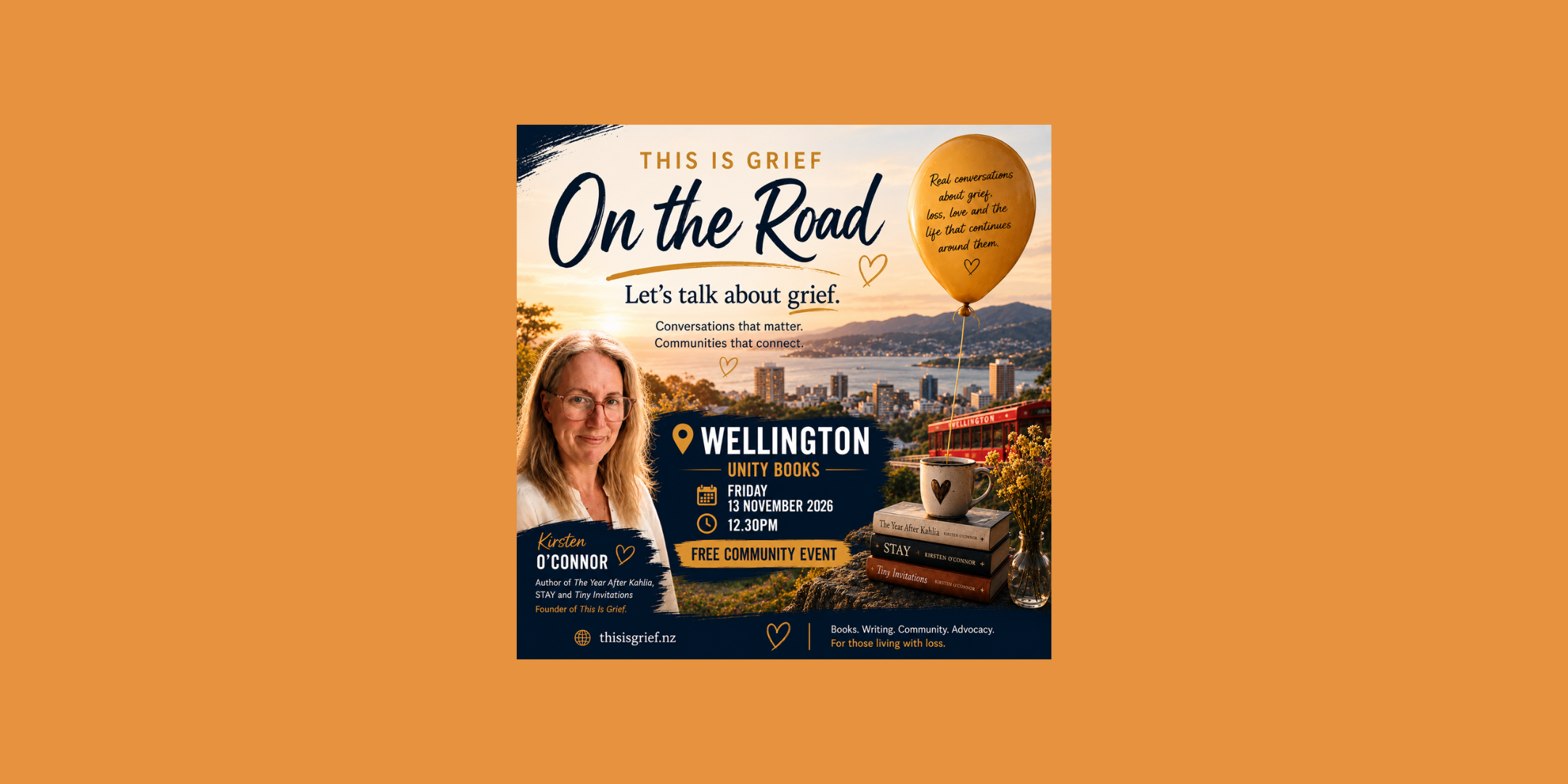
AUTHOR TALK: This is Grief by Kirsten O'Connor
13 Nov 2026712.30PM, Friday November 13th, 2026 Unity Books Wellington, 57 Willis St. All welcome, take a seat!
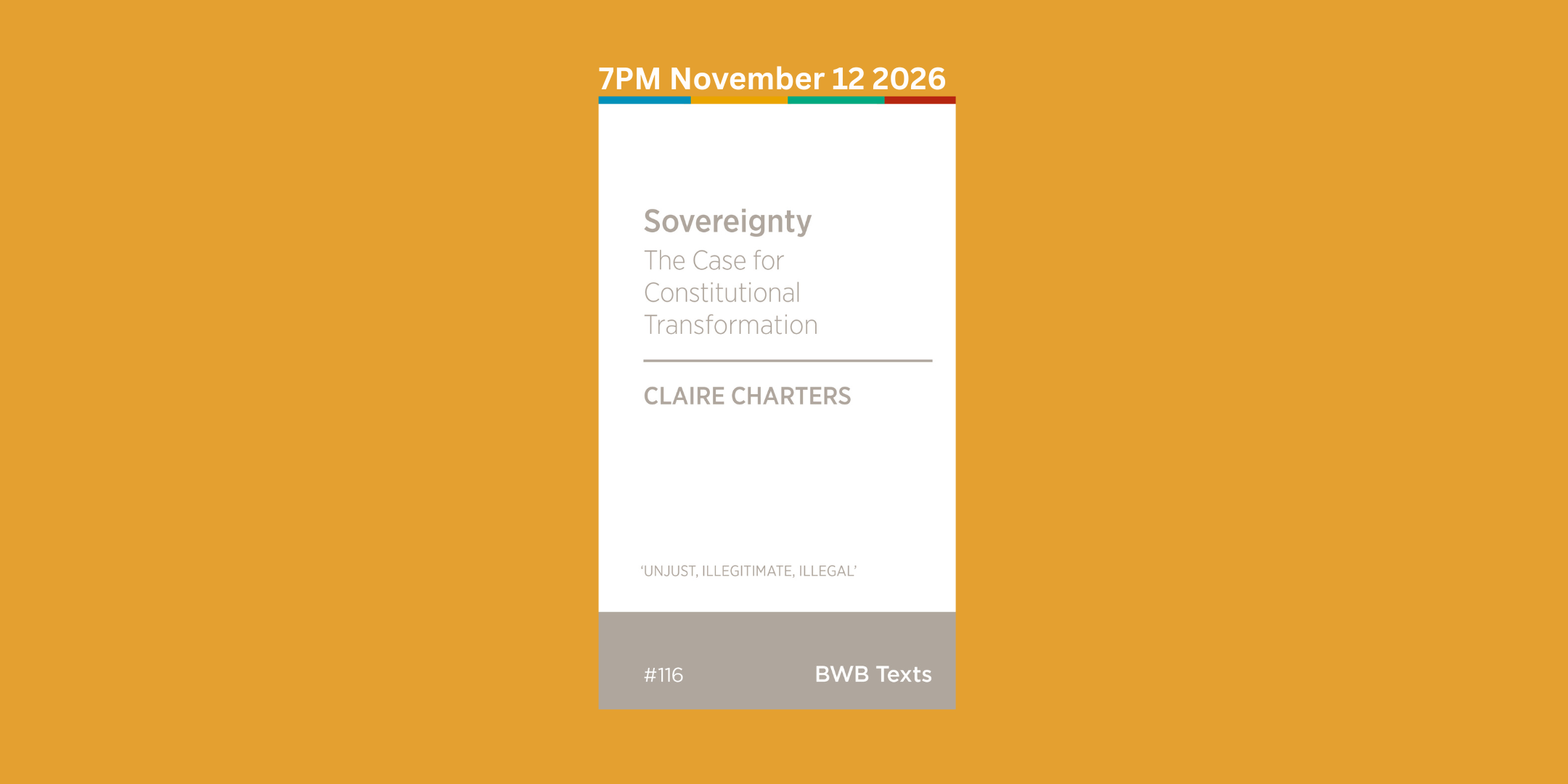
AUTHOR TALK: Sovereignty by Claire Charters
12 Nov 20267pm, Thursday November 12th, 2026 Unity Books Wellington, 57 Willis St. All welcome, take a seat!